
Can we truly conquer time? The idea seems straight out of a science fiction film, and yet, a man attempted to defy death long before the advent of our modern technologies. In 1967, Dr. James Hiram Bedford, an American professor at the University of California, made a choice that would forever mark scientific history: to become the very first cryogenically frozen human being.
A visionary professor facing the end
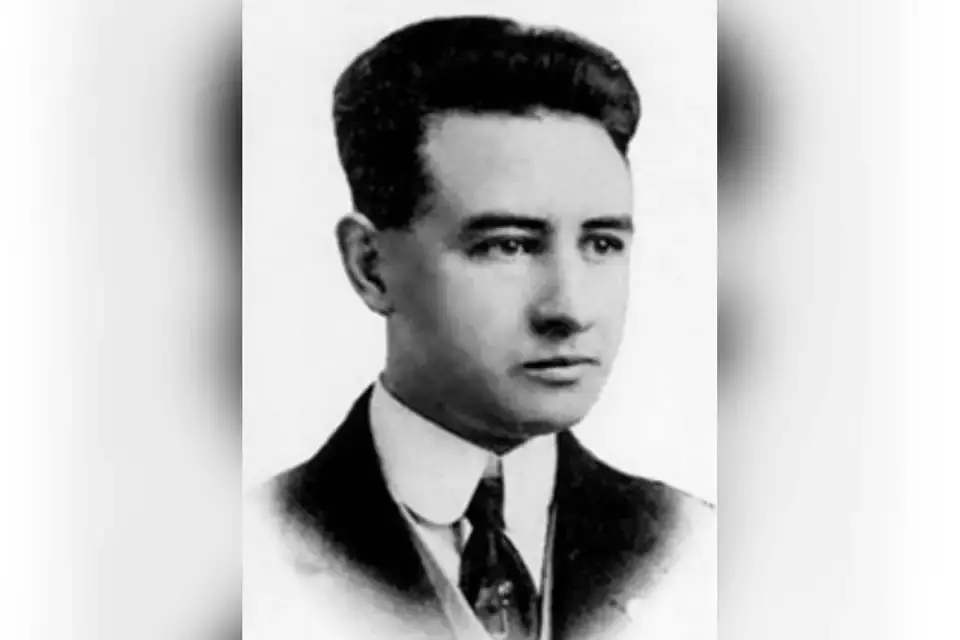
In the late 1960s, medicine lacked the means to combat certain serious diseases. When Dr. Bedford learned he had kidney cancer with lung metastases, he knew science could not save him. Yet this curious man, passionate about progress, refused to accept his fate.
It was while reading a book that would become a cult classic, The Prospect of Immortality by Dr. Robert Ettinger, that he discovered a revolutionary idea: human cryopreservation . The principle? To preserve the body at extremely low temperatures just after death, in the hope that one day, science could "awaken" and cure it.
The gamble of science and hope

Intrigued by this audacious concept, Bedford made an unprecedented decision: he wanted his body frozen after his death. On January 12, 1967, his wish came true. His body was prepared according to the experimental protocols of the time, then placed in a tank of liquid nitrogen at -196°C.
This operation, carried out by pioneers of cryopreservation, marked the beginning of an unprecedented scientific and human adventure. For Bedford, this act was not an act of fear, but a way of participating in an experiment he considered promising for future generations.
A body frozen in time
Twenty-four years later, in the 1990s, a team of specialists from the Alcor organization—now one of the leading cryopreservation centers—decided to check the condition of the body. To their great surprise, despite the decades that had passed, Dr. Bedford remained remarkably well preserved. The skin showed some signs of discoloration, but the face seemed almost asleep, as if time had stood still.
This finding has reignited the debate on cryopreservation: a mere symbolic experiment or a genuine hope for immortality in the future?
Cryogenics today: myth or possible future?
More than half a century after Dr. Bedford's experiment, cryopreservation continues to divide scientists. Some see it as a fantasy of immortality, others as a serious avenue for prolonging life, or even preserving organs in optimal conditions.
Today, several hundred people worldwide have chosen this option, relying on advances in medicine and biotechnology. Protocols are now safer and better regulated, and research on cell preservation is progressing rapidly. However, there is still no evidence to suggest that a human body can ever be "revived."
The legacy of a pioneer

What James Bedford has bequeathed to the world goes far beyond his own adventure. By becoming the first "cryogenic patient" in history, he opened up a fascinating field of reflection: how far are we willing to go to push the limits of life?
What if, somewhere in its cocoon of liquid nitrogen, it symbolized not a dream of immortality, but simply immense confidence in the future?


0 Comment:
Post a Comment