
Understanding Cholesterol and Its Impact on Health
Cholesterol is a waxy substance similar to fat that circulates in the bloodstream. Your body requires cholesterol to build healthy cells and produce certain hormones. However, when cholesterol levels become too high, it can raise the risk of heart disease.
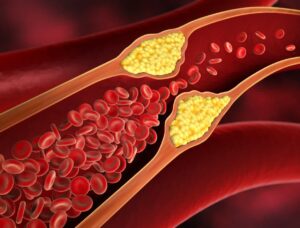
There are two primary types of cholesterol. Low-density lipoprotein (LDL) is commonly known as “bad” cholesterol because high levels can lead to plaque buildup in the arteries. High-density lipoprotein (HDL) is often called “good” cholesterol because it helps remove excess cholesterol from the bloodstream. When LDL levels become elevated, fatty deposits can collect inside artery walls, narrowing them and increasing the chance of heart attacks or strokes.
Why High Cholesterol Is a Serious Health Concern
High cholesterol is one of the major contributors to cardiovascular disease, including heart atta:cks, coronary artery disease, and strokes. When LDL cholesterol builds up in the arteries, it forms plaque that gradually narrows the blood vessels and restricts blood flow.
This condition, called atherosclerosis, can limit oxygen-rich bl00d reaching the heart and other organs. Over time, this restriction increases the risk of serious health complications. Elevated cholesterol levels are also often linked with other conditions such as high blood pressure and diabetes, which further raise the risk of heart problems.
Dietary Changes That Help Reduce Cholesterol
Monitoring cholesterol regularly is important for maintaining heart health. Doctors typically use a blood test called a lipid panel to measure total cholesterol, LDL, HDL, and triglyceride levels.
For adults over age 20, cholesterol levels are usually checked every four to six years, although individuals with risk factors may need testing more frequently. Keeping a record of your test results helps you and your healthcare provider evaluate whether lifestyle changes are improving your cholesterol levels.
When Medication May Be Necessary
In some cases, lifestyle changes alone may not be enough to lower cholesterol. Doctors may prescribe medication to help control cholesterol levels. Statins are the most commonly used drugs to reduce LDL cholesterol.
Other medications may include bile acid sequestrants, cholesterol absorption inhibitors, or PCSK9 inhibitors. Each treatment option has potential benefits and side effects, so discussing these with your healthcare provider is important before starting medication.
Working with Healthcare Professionals
Managing cholesterol is often easier with guidance from healthcare professionals. Your doctor can help develop a personalized plan that includes nutrition, exercise, and lifestyle adjustments. They can also determine whether medication is needed and monitor your progress.
Regular appointments allow your healthcare team to evaluate how well your plan is working and make adjustments when necessary.
Maintaining Healthy Cholesterol Long Term
Keeping cholesterol levels healthy requires ongoing commitment to a balanced lifestyle. This includes eating nutritious foods, staying physically active, managing stress, and getting adequate sleep.
Routine cholesterol testing and communication with your healthcare provider can help ensure you stay on the right track. By making healthy habits part of your daily routine, you can significantly reduce the risk of heart disease and support long-term health.


0 Comment:
Post a Comment