
As we age, our skin often shows the effects of daily life through the gradual appearance of fine lines, dryness, and a less firm texture that can make us feel less confident when we look in the mirror. These changes are completely normal, yet they leave many searching for gentle, everyday options that fit naturally into their routines without harsh chemicals or expensive treatments. The good news is that a simple kitchen herb you probably already have on hand has been sparking interest in natural beauty circles for generations. Stick around until the end, because we’re sharing a straightforward bay leaf formula that’s easy to make at home and could become your new favorite addition to a supportive skincare ritual.

What Are Bay Leaves and Why Are They Gaining Attention?
Bay leaves, also known as laurel leaves (Laurus nobilis), are aromatic herbs commonly used in cooking. Beyond the kitchen, traditional practices around the world have turned to them for skin-supporting rituals. Their popularity in modern skincare trends comes from their rich profile of natural compounds. But here’s the thing: while viral videos make big promises, the real story is more grounded in tradition and preliminary science.
The Science-Backed Reasons Bay Leaves May Support Skin Health
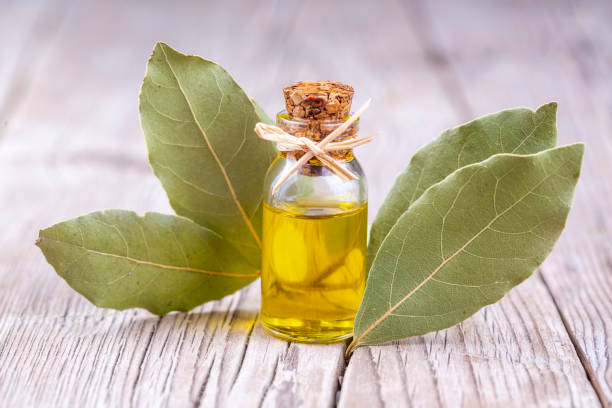
Bay leaves contain powerful antioxidants like polyphenols, flavonoids, and essential oils such as eugenol and cineole. Research highlights their ability to help combat free radicals—unstable molecules that can contribute to the visible signs of skin aging from sun exposure and daily stressors. One review of botanical studies notes that these compounds may offer antioxidant and anti-inflammatory support, potentially helping skin feel calmer and look more balanced.
Studies on Laurus nobilis extracts (published in journals focusing on phytochemistry) suggest they may support wound-healing processes in lab models and provide soothing effects for irritated skin. While more human clinical trials are needed, these findings align with why many people incorporate bay leaves into gentle DIY routines. Think of it as giving your skin a little extra nourishment from nature’s pantry.
Here’s a quick look at the key potential perks people talk about:
- Antioxidant support – Helps neutralize everyday environmental stressors that can dull skin’s natural glow.
- Soothing properties – May calm minor redness or irritation thanks to natural anti-inflammatory compounds.
- Hydration boost – When used in infusions, the herbal water can feel refreshing and help skin feel more supple.
- Traditional skin-toning ritual – Generations have used bay leaf preparations as part of simple facial steams or toners for a refreshed appearance.
And that’s not all. Because they’re budget-friendly and easy to source, bay leaves make an accessible addition to any natural skincare approach.
How to Safely Add Bay Leaves to Your Skincare Routine
Before trying any new ingredient, always do a small patch test on your inner arm and wait 24 hours. If you have sensitive skin or existing conditions, chat with your dermatologist first. Now, let’s get to the practical part.
Simple DIY Bay Leaf Facial Toner – Your Everyday Glow Ritual
This is one of the easiest and most popular ways to enjoy bay leaves topically. Many people use it as a refreshing toner or facial mist after cleansing.
Ingredients (makes about 1 cup of toner):
- 6–8 fresh or dried bay leaves (organic if possible)
- 2 cups filtered water
- Optional: 1 teaspoon rose water or a few drops of your favorite skin-friendly essential oil (diluted properly)
Step-by-step instructions:
- Rinse the bay leaves gently under cool water to remove any debris.
- Place them in a small saucepan with the filtered water.
- Bring to a gentle boil, then reduce heat and simmer for 10–15 minutes until the water takes on a light golden hue and releases the aromatic oils.
- Remove from heat and let the mixture cool completely.
- Strain through a fine mesh sieve or cheesecloth into a clean glass bottle.
- Store in the refrigerator for up to one week.
How to use it: After cleansing your face, soak a cotton pad or use clean hands to gently pat the cooled infusion onto your skin. Follow with your favorite moisturizer. Use morning and evening for best results. Many describe their skin feeling softer and more balanced after consistent use.
Next-Level Option: Bay Leaf & Cornstarch Soothing Gel Mask
For a thicker, more pampering treatment, try this simple gel mask that turns the infusion into a soothing mask-like texture—perfect for a weekly self-care moment.
Ingredients:
- 1 cup of the bay leaf infusion (from the toner recipe above)
- 2 tablespoons cornstarch
- Optional add-ins: 1 teaspoon raw honey or a few drops of vitamin E oil for extra nourishment
Step-by-step instructions:
- Prepare the bay leaf infusion as described.
- In a small bowl, whisk the cornstarch into ½ cup of the warm (not hot) infusion until smooth.
- Return the mixture to the saucepan and heat gently while stirring constantly until it thickens into a smooth, gel-like consistency (about 2–3 minutes).
- Remove from heat, stir in any optional add-ins, and let cool.
- Apply a thin layer to clean skin, avoiding the eye area. Relax for 15–20 minutes.
- Rinse with lukewarm water and follow with moisturizer.
Use this mask 1–2 times per week. The natural starch creates a gentle tightening sensation that many enjoy as part of their pampering routine.
Pro Tips to Maximize Your Bay Leaf Experience
- Fresh vs. dried: Both work great, but dried leaves are more concentrated and easier to store year-round.
- Consistency is key: Natural ingredients work best with regular, gentle use rather than one-time applications.
- Combine with your routine: Pair the toner with a hyaluronic acid serum or a lightweight moisturizer for layered hydration.
- Storage matters: Always use clean glass containers and keep refrigerated to maintain freshness.
Quick checklist for success:
- Source high-quality, pesticide-free bay leaves.
- Never apply undiluted essential oils directly to skin.
- Discontinue if any irritation occurs.
- Stay hydrated and protect your skin daily with SPF—nature’s best friend for long-term glow.
What to Expect and When to See Changes
Results from natural routines like this vary from person to person. Some notice their skin feels softer and looks more radiant within a couple of weeks of consistent use, while others appreciate the calming ritual itself. Remember, skincare is about supporting your skin’s natural processes over time, not overnight miracles.
Frequently Asked Questions
Can I drink bay leaf tea for skin benefits?
Yes, many people enjoy bay leaf tea internally for its antioxidant properties, but always in moderation and after consulting a healthcare provider. Topical use remains the primary focus for direct skin application.
How long does homemade bay leaf toner last?
Properly stored in the fridge, it stays fresh for up to 7 days. Make small batches so you always use it at its peak potency.
Are bay leaves safe for all skin types?
Most people tolerate them well, but those with very sensitive skin or allergies to plants in the laurel family should proceed with caution and do a patch test.
Final Thoughts
Bay leaves offer a simple, time-honored way to add a touch of nature to your daily skincare ritual. Whether you start with the easy facial toner or try the soothing gel mask, these recipes are designed to be gentle, affordable, and enjoyable. The best part? You can experiment in your own kitchen and tailor them to what feels right for your skin.
Give one of these recipes a try this week and see how your complexion responds. Small, consistent habits often lead to the most noticeable improvements in how your skin looks and feels.
Disclaimer: This article is for informational and educational purposes only. It is not intended to diagnose, treat, cure, or prevent any condition. Results may vary. Always consult with a qualified healthcare professional or dermatologist before starting any new skincare routine, especially if you have sensitive skin, allergies, or medical concerns. Individual results are not guaranteed.
