
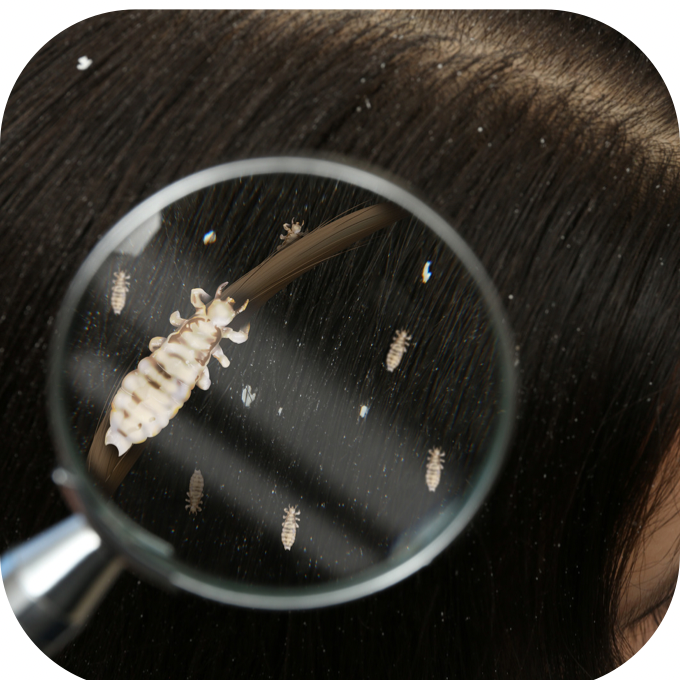
Head lice (Pediculus humanus capitis) are tiny, wingless insects that live on the scalp and feed on blood.
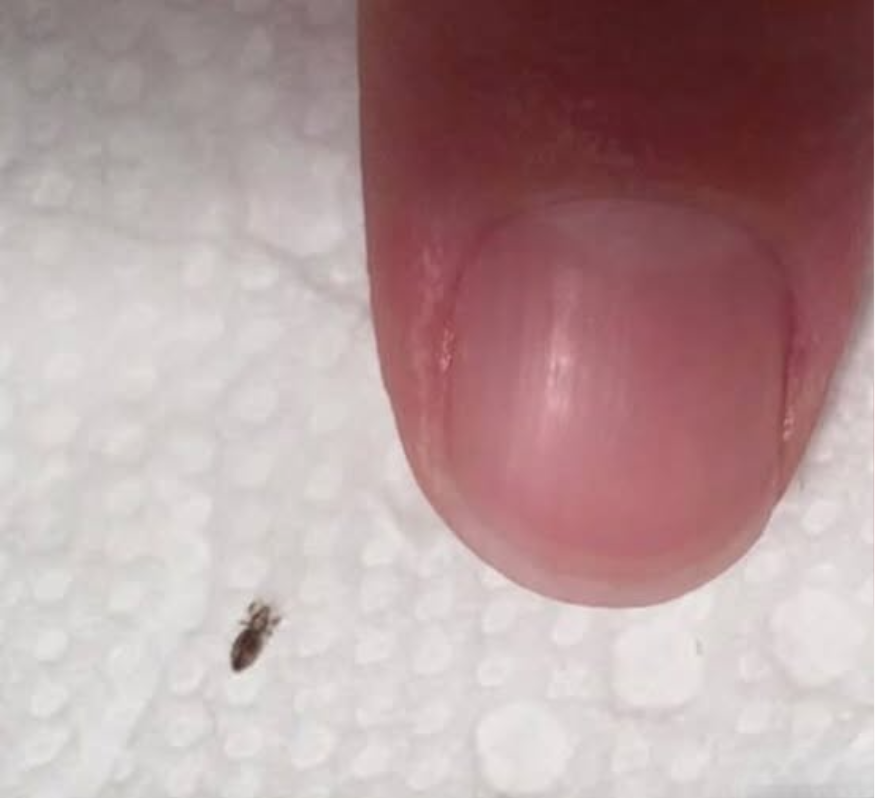
They are typically about the size of a sesame seed, which matches the scale shown next to the fingernail.
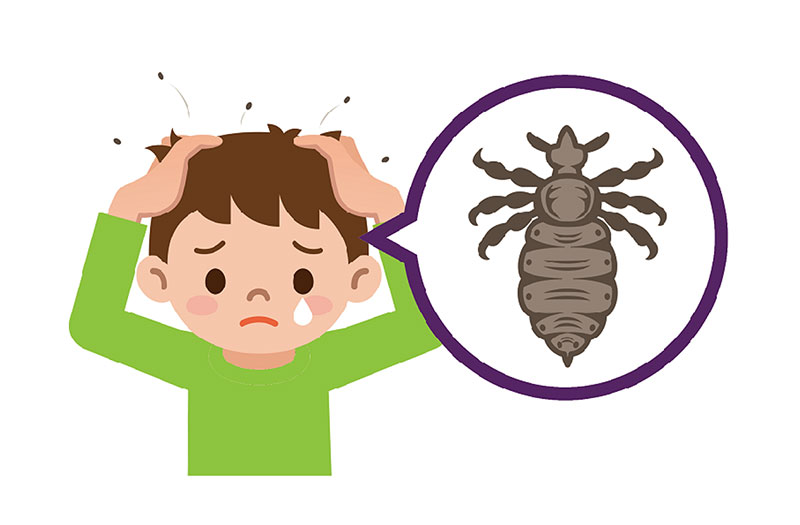
They tend to be grayish, tan, or brown, and their bodies are elongated with small legs adapted for gripping hair shafts. If the insect you found moves quickly and seems adapted to cling to hair, that increases the likelihood that it is indeed a louse.
However, there are a few other possibilities.
It could be a harmless environmental insect—something picked up from playing outside, from bedding, or even from contact with another surface at daycare.
Small ants, booklice (which are harmless and not true lice), or other tiny insects can sometimes end up in hair temporarily.
The key difference is that true head lice are adapted to live on humans, while most other insects are just accidental visitors and do not stay or reproduce in hair.
So the question becomes: should you worry?
The honest answer is: you should take it seriously enough to check carefully, but there is no need to panic.
If this is a head louse, it’s a very common and manageable issue, especially among young children who are in close contact with each other, like in daycare settings.
Head lice do not indicate poor hygiene, and they are not dangerous in the sense of spreading disease.
They can, however, spread easily through head-to-head contact, which happens frequently among toddlers who play closely together.
The most important next step is to inspect your child’s scalp thoroughly. Look closely, especially behind the ears and at the nape of the neck.
You are looking for two things: live lice and nits (eggs). Nits are tiny, oval-shaped, and usually attached firmly to the hair shaft close to the scalp.
Unlike dandruff, they do not flake off easily when you touch them. If you find multiple nits or additional live insects, that strongly suggests an active lice infestation.
If you only found a single insect and cannot find any others or any nits, there is a chance it was just a случай encounter with a harmless bug.
In that case, monitoring is enough.
Check again over the next few days to be sure nothing develops.
If you do confirm lice, treatment is straightforward.
Over-the-counter lice treatments (medicated shampoos or lotions) are widely available and effective when used correctly.
In addition, using a fine-toothed lice comb to remove nits is essential, because eggs can survive initial treatment if not physically removed.
You will also want to wash bedding, hats, and recently used clothing in hot water, and avoid sharing personal items like combs or pillows.
It’s also a good idea to inform the daycare if lice are confirmed.
This is not about blame—it simply helps other parents check their own children and prevent ongoing spread.
Daycare environments are one of the most common places where lice circulate, precisely because children are in such close contact.
One important thing to keep in mind is that lice do not jump or fly.
They spread primarily through direct head-to-head contact.
This means that normal play, hugging, or sitting close together can be enough for transmission.
They do not come from pets, and they do not survive long away from a human scalp.
If you are unsure after checking, or if you want confirmation, you can also consult a pediatrician or a pharmacist.
They can often identify whether what you found is a louse and guide you on the best treatment approach.
In summary, the insect in your photo could be a head louse, especially given the daycare context, but it is not guaranteed.
The situation is worth checking carefully, but it is not an emergency.
The key is observation: look for more evidence before taking action.
If lice are present, they are very common and treatable. If not, then it was likely just a harmless, temporary visitor.
What matters most is staying calm, checking thoroughly, and responding based on what you actually find rather than what you fear


0 Comment:
Post a Comment